The Foundation: Embedding trust, security, and governance into digital and AI transformation.

Trust is the foundation of successful digital transformation and customer experience.
CyberSigna focuses on the role of cybersecurity, privacy, AI governance, and assurance in shaping responsible digital and AI adoption. We study how organizations manage digital risk, build resilience, and maintain confidence across stakeholders.
Areas of exploration include
- Cybersecurity and privacy
- AI governance and responsible AI
- Digital risk and resilience
- Incident readiness and cyber forensics
- Compliance, assurance, and trust metrics
Our insights help leaders understand where trust breaks down and how it can be designed into systems, processes, and decisions.
Why this matters
- Digital transformation fails without trust
- AI fails without governance
- Customer experience fails without reliability
We explore how trust is enable into systems, processes, and decisions never as an afterthought.
Strengthen trust and assurance
Example of Projects
• Advisory and Consultancy
Cybersigna provides strategic guidance and consultancy services to help organizations develop robust cybersecurity strategies aligned with their business objectives. Our experts work closely with clients to assess their security requirements, identify vulnerabilities, and develop tailored solutions to mitigate risks effectively.
Our team conducts thorough and comprehensive security assessments to identify weaknesses, vulnerabilities, and potential entry points for attackers. We perform penetration testing, vulnerability assessments, and code reviews to ensure that your systems, networks, applications, and infrastructure are secure.
We assist organizations in identifying, assessing, and prioritizing cybersecurity risks. Our experts help develop risk management frameworks, implement risk mitigation strategies, and establish incident response plans to minimize the impact of potential security incidents.
• Red Team Exercises
Red team exercises include simulated attack scenarios designed to assess an organization’s security readiness. They simulate sophisticated attack techniques and tactics to test the effectiveness of an organization’s detection and response capabilities. Red team exercises can help identify gaps in security controls and improve incident response procedures.
• Social Engineering Assessment
The assessment includes Red teams specializing in social engineering, where they attempt to manipulate and deceive employees to gain unauthorized access to systems or sensitive information. These assessments evaluate an organization’s vulnerability to phishing attacks, pretexting, baiting, or other social engineering techniques.
• Open Source – DIY
Companies looking for open-source tools can consider using Kali Linux. Kali Linux Revealed ebook can be downloaded for free here or you can purchase a physical copy in Amazon.
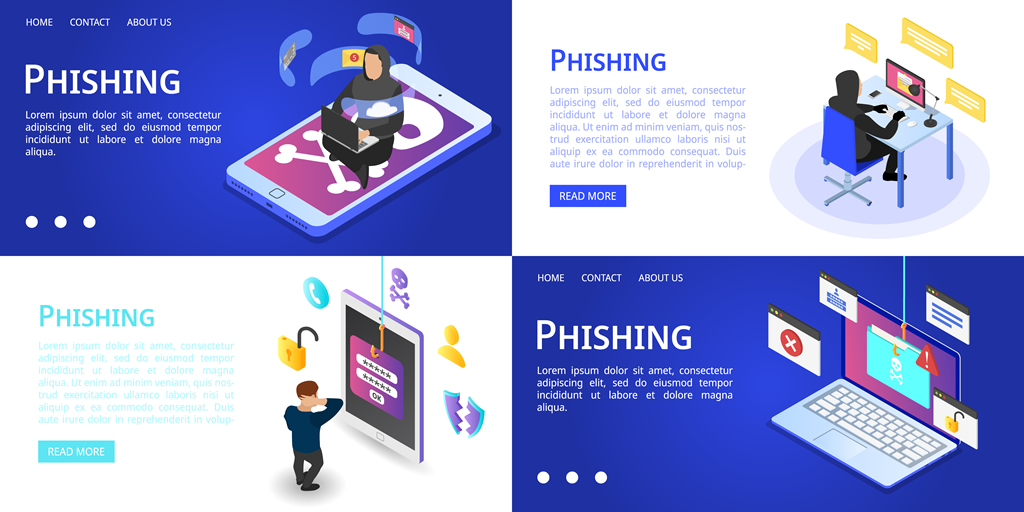
• Social Engineering (SE) Research and Education
Social engineering is the term used for a broad range of malicious activities accomplished through human interactions. It uses psychological manipulation to trick users into making security mistakes or giving away sensitive information. They are also used to create misinformation.
Social engineering attacks happen in one or more steps. A perpetrator first investigates the intended victim to gather necessary background information, such as potential points of entry and weak security protocols, needed to proceed with the attack. Then, the attacker moves to gain the victim’s trust and provide stimuli for subsequent actions that break security practices, such as revealing sensitive information or granting access to critical resources.
What makes social engineering especially dangerous is that it relies on human error, rather than vulnerabilities in software and operating systems. Mistakes made by legitimate users are much less predictable, making them harder to identify and thwart than a malware-based intrusion.
• Social Engineering Prevention
Social engineers manipulate human emotions such as curiosity or fear to execute schemes and lure victims into their traps. For this reason, remain cautious whenever you feel alarmed by an email, drawn to an attractive online offer, or encounter stray digital media left unattended. Staying alert can help protect you against most social engineering attacks occurring in the digital environment.
The following tips can further strengthen your vigilance against social engineering techniques.
Do not open emails or attachments from suspicious sources. If you do not recognize the sender, there is no need to respond. Even when the sender appears familiar, be cautious if the message seems unusual and verify the information through another channel, such as a phone call or the official website of the service provider. Email addresses are frequently spoofed, and messages that appear to come from trusted sources may actually originate from attackers.
Use multifactor authentication. One of the most valuable assets attackers seek is user credentials. Enabling multifactor authentication adds an additional layer of protection and helps safeguard your account even if a system is compromised.
Be cautious of overly tempting offers. If an offer seems too good to be true, pause and verify it before taking action. A quick online search can often reveal whether the offer is legitimate or part of a scam.
Keep your antivirus and antimalware software up to date. Ensure that automatic updates are enabled or make it a routine to download the latest signatures regularly. Periodically confirm that updates have been applied and run system scans to detect potential infections.